1. Rivers
  2. Oceans
  3. Expeditions
  1. Complimentary Brochures
Call Viking at 138 747 or Contact Your Travel Advisor
Viking Viking Viking
Please fill out this field
Menu
  1. Rivers
  2. Expeditions
Please fill out this field
Use enter or spacebar key to select the link
Use enter or spacebar key to expand or collapse the menu
    • Find A Cruise
    • Destination Map
    • Special Offers
    • New Itineraries
    • Regions

      Europe

      • British Isles & Ireland
      • Mediterranean
      • Scandinavia
      • Other Destinations

      Africa & Middle East

      North America

      • Alaska
      • Canada
      • Mexico
      • United States
      • Other Destinations

      Caribbean & Central America

      South America

      Asia

      Australia & New Zealand

    • Waterways
      • Mediterranean Sea
      • North & Baltic Seas
      • Caribbean Sea
      • Panama Canal
      • Atlantic Ocean
      • Pacific Ocean
      • Indian Ocean
      • Arctic Ocean
    • Seasonal & Combination
      • Italy: Always in Season
      • Quiet Season Mediterranean
      • Northern Lights
      • Panama Canal
      • World Cruises
      • Grand Journeys
      • Ocean Crossings
      • River + Ocean Combinations
    • Other Cruise Types
      • Expeditions
      • Rivers
    • Fleet Overview
    • 360° Ship Tour
    • Ocean Ships
      • Viking Astrea
      • Viking Jupiter
      • Viking Leda
      • Viking Libra
      • Viking Lyra
      • Viking Mars
      • Viking Mira
      • Viking Neptune
      • Viking Orion
      • Viking Saturn
      • Viking Sea
      • Viking Sky
      • Viking Star
      • Viking Vega
      • Viking Vela
      • Viking Venus
      • Viking Vesta
    • The Viking Difference
    • Did You Know?
    • Cultural Partners
    • Awards
    • My Viking Story
    • Community
    • News
    • Complimentary Brochures
    • One Viking
    • Pre & Post Extensions Overview
    • Shore Excursions Overview
    • My Viking Journey
    • Viking Air
    • Updates on Current Sailings
    • Travel Information
    • Frequently Asked Questions
    • Silver Spirits Beverage Package
    • Why Viking
    • Cruise Itineraries
    • Destination Insights
    • Ships
    • All
Please fill out this field
Grand yellow palace with formal gardens

Discover Stockholm’s cultural treasures

Spread across a network of islands, Sweden’s capital offers a captivating blend of medieval streets, renowned museums, elegant architecture and stunning waterfront scenery. Read on to learn more about traditional Swedish meatballs, delve into the lives of several notable figures from Stockholm and uncover the fascinating story of the Vasa warship.
Pink cherry blossoms near historic building

Stockholm

Stockholm, the capital of Sweden, is situated on the country's eastern coast where Lake Mälaren meets the Baltic Sea. Built across numerous islands connected by an extensive network of bridges, the city occupies a strategic position at the entrance to one of northern Europe’s largest archipelagos.

Stockholm experiences a continental climate moderated by the surrounding sea. Summers are generally mild and pleasant, with temperatures typically ranging from 60 °F to 78 °F (16 °C to 26 °C), while winter temperatures commonly range between 20 °F and 40 °F (-7 °C to 4 °C). The city enjoys long daylight hours during summer and short but cozy winter days, often accompanied by snow and seasonal festivities.

The origins of Stockholm date to the mid-13th century. Although the surrounding region had been inhabited since the Viking Age (c. 800 to 1050), the city itself was formally established around 1252 by the statesman Birger Jarl. One of Stockholm’s earliest and most important landmarks, the fortified island settlement of Gamla Stan (Old Town), grew around the strategic waterway connecting Lake Mälaren to the Baltic Sea. This location played a vital role in Stockholm’s development as a center of trade, maritime activity and political power.

During the late Middle Ages, Stockholm emerged as Sweden’s principal commercial center. Merchants associated with the Hanseatic League—a network of guilds and market towns in Northern Europe—contributed to the city’s growing prosperity.

In 1397, Sweden entered the Kalmar Union with Denmark and Norway, placing all three kingdoms under one monarch. Tensions between Swedish and Danish leaders persisted for more than a century, reaching a peak with the Stockholm Bloodbath of 1520, when King Christian II ordered the execution of dozens of Swedish nobles. Three years later, the Swedish nobleman Gustav Vasa led a successful revolt that ended Danish rule, established Sweden as an independent kingdom and designated Stockholm as the center of the newly unified Swedish state.

During the 20th century, Stockholm became internationally recognized for its achievements in design, innovation, education and quality of life. The city also gained worldwide prominence as the home of the Nobel Prize ceremonies—with the exception of the Nobel Peace Prize, which is awarded annually in Oslo. Today, Stockholm is renowned for its unique combination of historic charm, cultural attractions and natural beauty. Below are some of the key sites that define this remarkable city:

  • Old Town (Gamla Stan)—Gamla Stan is one of the best-preserved medieval city centers in Europe. Its cobbled streets, colorful merchant houses and historic squares reflect centuries of Swedish history. The district is home to numerous landmarks, including the Royal Palace, Stockholm Cathedral and Stortorget—Stockholm’s oldest public square.
  • Royal Palace (Kungliga Slottet)—One of Europe's largest royal residences, the Royal Palace serves as the official workplace of the Swedish monarch. Built primarily during the 18th century, it contains more than 600 rooms, including royal apartments, museums and ceremonial halls. Visitors can also observe the popular Changing of the Guard ceremony.
  • Stockholm Cathedral (Storkyrkan)—Stockholm Cathedral is the city's oldest church. Construction likely began during the 13th century, but the building was officially dedicated to Saint Nicholas in 1306. Situated beside the Royal Palace, Storkyrkan has hosted royal coronations, weddings and other significant national ceremonies for centuries.
  • Nobel Prize Museum—Located in Gamla Stan, the Nobel Prize Museum chronicles the history of the Swedish chemist Alfred Nobel (1833–1896) and the achievements of Nobel Prize laureates. Interactive exhibits explore groundbreaking discoveries and cultural contributions from around the world.
  • Stockholm City Hall—Completed in 1923, Stockholm City Hall is one of the city's most recognizable landmarks. Its distinctive red-brick architecture and soaring tower dominate the waterfront. The building is best known as the venue for the Nobel Prize banquet held after the annual award ceremony.
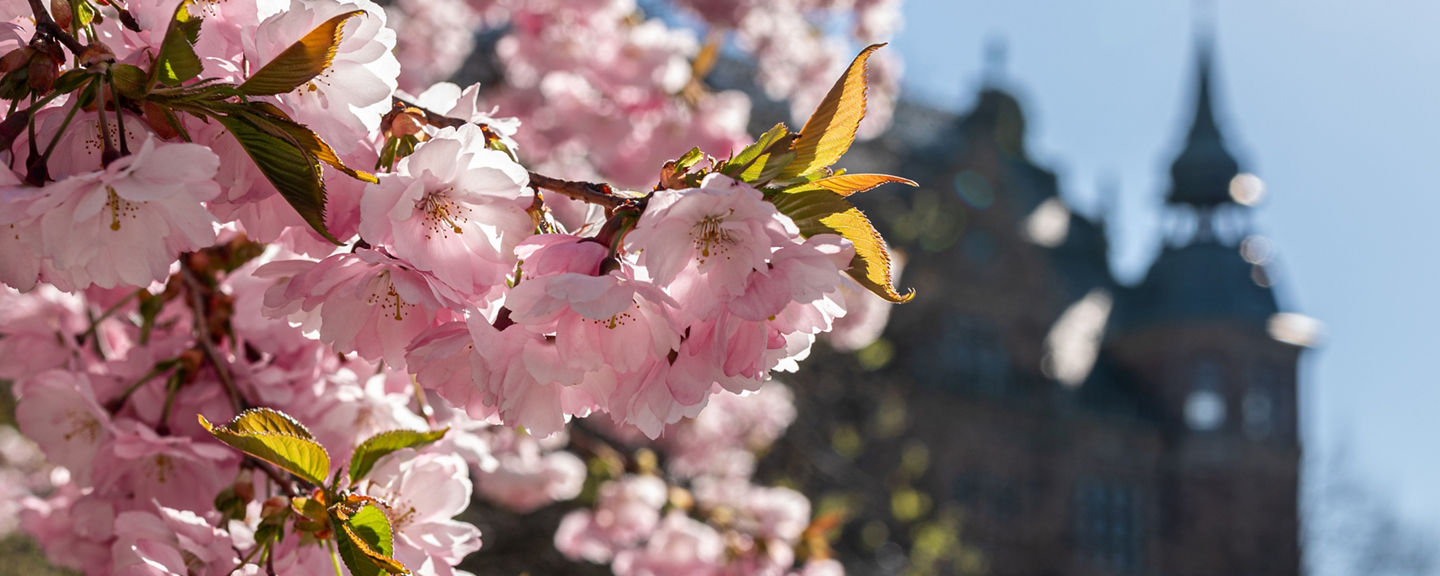
  • The King’s Garden (Kungsträdgården)—Kungsträdgården is one of Stockholm’s most beloved public parks and gathering places. Originally established as a royal garden, it now hosts concerts, festivals and seasonal events. Each spring, its celebrated cherry trees burst into bloom, creating one of the city’s most spectacular displays of color.
  • Djurgården —This leafy island is one of Stockholm's most popular recreational areas. In addition to walking paths and waterfront cafés, Djurgården is also home to several museums, including the Viking Museum, the Vasa Museum, ABBA the Museum and Skansen—an open-air museum dedicated to life in pre-industrial Sweden.
  • The Viking Museum—The Viking Museum offers an immersive look into Viking Age life through interactive exhibits, authentic artifacts, guided tours and multimedia displays. Visitors can explore Norse culture, trade, mythology and daily life, while the popular “Ragnfrid’s Saga” ride brings a 10th-century Viking adventure to life.
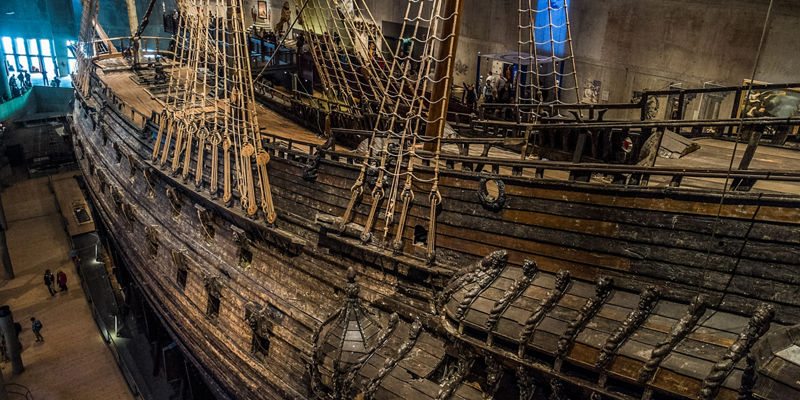
  • The Vasa Museum—The Vasa Museum houses the remarkably preserved Vasa warship, which sank on its maiden voyage in 1628 and was recovered from Stockholm Harbor in 1961. Guests can also peruse exhibits exploring naval history, maritime archaeology and everyday life in 17th-century Sweden.
  • ABBA the Museum—Dedicated to Sweden’s most successful pop group, this interactive exhibition explores the history, music and global influence of ABBA through exhibits, memorabilia and immersive experiences.
  • Skansen—Founded in 1891, Skansen is the world's oldest open-air museum. Historic buildings from across Sweden have been relocated here to showcase traditional architecture and rural life. The site also includes demonstrations of crafts and a zoo featuring Nordic animals.
  • Fotografiska—Housed in a former art nouveau customs warehouse on Stockholm’s waterfront, Fotografiska is one of the world’s leading centers for contemporary photography. The museum presents a rotating program of international exhibitions featuring established and emerging artists, alongside cultural events and educational programs.
  • Drottningholm Palace—Located on the outskirts of the city, Drottningholm Palace is the private residence of the Swedish royal family and a UNESCO World Heritage Site. Its elegant baroque architecture, formal gardens and historic theater make it one of Sweden’s most important cultural landmarks.
Scenic view of Stockholm cityscape and waterways
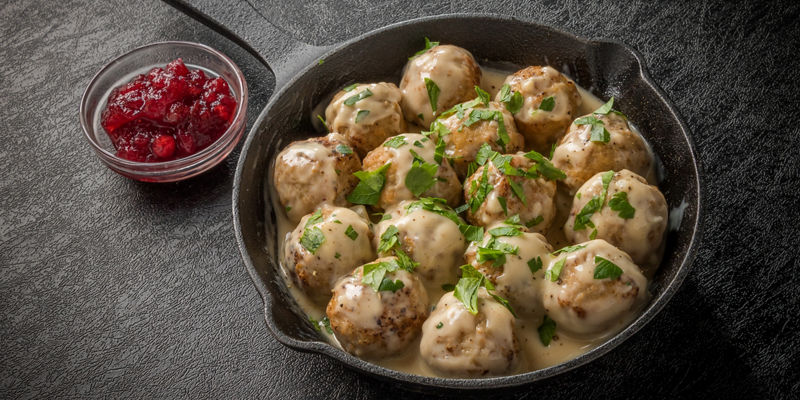
  • Swedish meatballs with creamy sauce and lingonberry

    Köttbullar

    Köttbullar, the famous Swedish meatballs, are one of the country’s most cherished culinary traditions. Known for their tender texture and rich flavor, these small delicacies have become a symbol of local cuisine, representing warmth, family and the simple pleasures of home-cooked food. In Stockholm, many traditional restaurants proudly serve their own versions of this classic dish, allowing visitors to experience an authentic taste of Swedish culinary heritage.

    Swedish meatballs became popular during the 18th century. A widely accepted story suggests that King Charles XII brought inspiration for the dish back to Sweden after spending time in the Ottoman Empire. Over the years, Swedish cooks adapted the concept to local tastes and ingredients, creating the unique version known today. Köttbullar eventually became a staple of Swedish households, and they are often served during family gatherings and on festive occasions.

    Traditional köttbullar are made using a mixture of ground beef and pork. The meat is added to finely chopped onions, breadcrumbs soaked in milk, eggs, salt, pepper and sometimes allspice or nutmeg. These ingredients are thoroughly combined to create a smooth, flavorful mixture, which is then rolled into small balls the size of a walnut.

    After shaping, the meatballs are browned in butter, which gives them their characteristic golden exterior. Once cooked through, they may be finished in a creamy brown gravy made from pan drippings, broth, cream and seasonings. This rich sauce complements the meatballs perfectly and is a hallmark of many traditional recipes.

    Köttbullar are typically served with mashed or boiled potatoes, lingonberry jam and pickled cucumbers. The sweetness of the lingonberries balances the savory meat and creamy sauce, creating a distinctive combination of flavors.

  • Bearded gentleman seated in laboratory interior

    Notable figures associated with Stockholm

    From pioneering scholars and the rulers who laid the foundations of the modern Swedish state to celebrated authors and internationally renowned filmmakers, the following individuals illustrate Stockholm’s enduring importance as a center of political power, learning and creativity.

    • King Gustav Vasa (1496–1560)
      Often regarded as the founder of modern Sweden, Gustav Vasa led the Swedish War of Liberation against Danish rule and was elected king in 1523. His reign transformed Sweden into an independent and centralized nation-state, laying the foundations for the country's future development. Stockholm became the political heart of this emerging kingdom, and Gustav strengthened royal authority through administrative reforms, economic modernization and the establishment of a national church during the Protestant Reformation. His legacy remains deeply woven into the city’s history, particularly through the Royal Palace area and the institutions that emerged under his rule.
    • Queen Christina (1626–1689)
      One of Sweden’s most remarkable monarchs, Queen Christina was renowned for her intellect, curiosity and patronage of the arts and sciences. During her reign (1632–1654), Stockholm flourished as a center of European learning and culture. She invited leading scholars, philosophers and artists to her court, helping to elevate Sweden's international reputation. She famously abdicated her throne in 1654 due to her conversion to Catholicism, refusal to marry and desire to pursue a life outside the expectations of a Protestant monarch. Nevertheless, her commitment to education and intellectual inquiry left a lasting impact on Stockholm’s cultural development.
    • Carl Linnaeus (1707–1778)
      The pioneering botanist, physician and naturalist Carl Linnaeus revolutionized the study of living organisms through his system of binomial nomenclature, which remains the foundation of biological classification today. Although closely associated with Uppsala, Linnaeus frequently worked in Stockholm and was instrumental in establishing the Royal Swedish Academy of Sciences there in 1739.
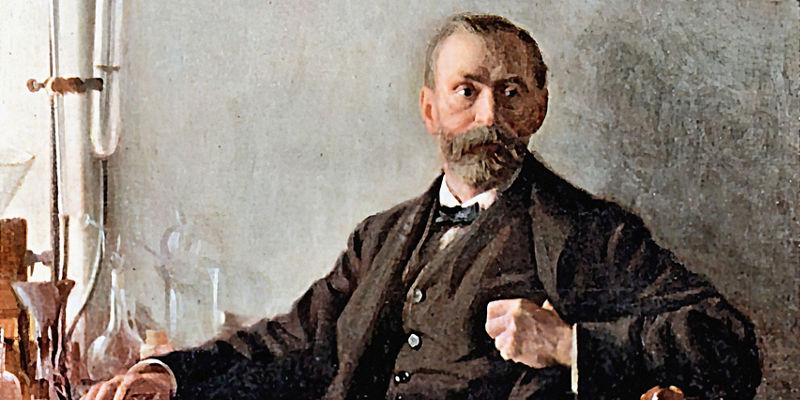
    • Alfred Nobel (1833–1896)
      Chemist, engineer and entrepreneur Alfred Nobel achieved worldwide recognition through his invention of dynamite and numerous other scientific innovations. Toward the end of his life, he dedicated his vast fortune to establishing the Nobel Prizes, which honor outstanding achievements in science, literature and peace. Stockholm became the permanent home of the Nobel institutions and annual Nobel Prize ceremonies—apart from the Nobel Peace Prize ceremony—making the city synonymous with excellence and global achievement.
    • August Strindberg (1849–1912)
      Widely regarded as Sweden’s greatest playwright, August Strindberg transformed modern literature and theater through his experimental and psychologically complex works. Plays such as Miss Julie (1888) and The Father (1887) helped pioneer modern dramatic realism and influenced generations of writers and directors. Much of Strindberg’s life unfolded in Stockholm, which frequently served as both the setting and inspiration for his writing. Today, the Strindberg Museum preserves his legacy in the city he knew so well.
    • Astrid Lindgren (1907–2002)
      Among Sweden’s most beloved authors, Astrid Lindgren captivated generations of readers with unforgettable characters, such as Pippi Longstocking, Emil of Lönneberga and Karlsson-on-the-Roof. Living much of her adult life in Stockholm, she produced stories celebrated for their imagination, humor and respect for childhood independence. Her books have been translated into dozens of languages, making her one of the most widely read children's authors in the world.
    • Ingmar Bergman (1918–2007)
      One of cinema’s most influential directors, Ingmar Bergman earned international acclaim for profound and visually striking films such as The Seventh Seal (1957), Wild Strawberries (1957) and Fanny and Alexander (1982). Through his exploration of faith, identity, mortality and human relationships, Bergman helped establish Sweden as a major force in world cinema. His long association with Stockholm’s theaters and film institutions cemented the city's reputation as a center of artistic innovation.
    • Stieg Larsson (1954–2004)
      Journalist and novelist Stieg Larsson transformed contemporary crime fiction through his internationally bestselling Millennium series. Centered largely in Stockholm, particularly the Södermalm district, his novels combined compelling mysteries with sharp social commentary on politics, corruption and journalism. Following the global success of The Girl with the Dragon Tattoo and its sequels, Larsson helped popularize Scandinavian crime fiction and introduced millions of readers to modern Stockholm.
  • Historic wooden ship in museum exhibit

    The Vasa warship

    Commissioned by King Gustavus Adolphus during Sweden’s rise as a European power, the Vasa was designed to be one of the most formidable warships of its time. Stretching 226 ft (69 m) in length and armed with 64 bronze cannons, it was intended to showcase Sweden’s military strength and royal prestige. Richly decorated with hundreds of painted carvings and sculptures, the ship was as much a political statement as a naval vessel.

    However, the Vasa’s story took a tragic turn on August 10, 1628. Shortly after it departed Stockholm Harbor on its maiden voyage, a gust of wind caused the top-heavy ship to tilt sharply to the port side. Although the ship briefly regained balance, a second, stronger gust pushed it even farther, allowing water to rush through the open gun ports. The Vasa then rolled onto its side and sank rapidly, only minutes after setting sail in front of thousands of spectators. An official inquiry followed, but no single individual was held responsible for the disaster.

    Modern engineers and naval architects have concluded that the Vasa sank because of fundamental flaws in its design. Studies conducted after the ship’s recovery showed that it could have capsized in even a mild four-knot wind. Its high center of gravity—created by the large number of heavy cannons mounted on two gun decks and the substantial decorative sculptures adorning the bow—made the vessel dangerously unbalanced.

    For 333 years, the Vasa remained on the seabed of Stockholm Harbor. Thanks to the Baltic Sea’s cold, low-oxygen waters, much of the ship survived in extraordinary condition. After it was rediscovered in the 1950s, an ambitious salvage operation culminated in the vessel’s successful recovery in 1961. Extensive conservation efforts followed, preserving this impressive artifact for future generations.

    Today, few attractions in Stockholm capture Sweden’s history as dramatically as the Vasa Museum. Visitors can take in the massive, painstakingly restored vessel and learn about 17th-century naval power, craftsmanship and everyday life at sea.
Stockholm Highlights

Few cities combine royal heritage, maritime history and contemporary Scandinavian style as effortlessly as Stockholm. Here are some highlights you may experience during a visit to this remarkable city:

  • Explore the medieval cobblestone lanes of Gamla Stan
  • View a preserved 17th-century warship at the Vasa Museum
  • Tour the opulent rooms of the Royal Palace
  • Learn about the Viking Age at the Swedish History Museum
  • Sample local delicacies during a guided culinary tour
  • Watch a Vivaldi performance at the Ulriksdal Palace Theater
  • Kayak around the verdant island of Långholmen
  • Visit the Nobel Prize Museum
  • Embark on an evening canal cruise
  • Stroll the elegant waterfront promenades of Djurgården
  • Peruse Swedish art at Waldemarsudde, a former royal estate
  • See Drottningholm Palace’s magnificent state apartments

Stockholm Travel FAQ

With its four distinct seasons, visiting Stockholm is appealing year-round. Spring (April to May) brings blooming parks and flowering cherry trees, while summer (June to August) offers warm temperatures and longer days to explore. Autumn (September to October) features colorful foliage and comfortable sightseeing weather, while winter transforms the Swedish capital with festive lights, seasonal markets and the cozy atmosphere of Scandinavian holiday traditions.

Stockholm’s distinctive character is defined by its unique setting across fourteen islands connected by bridges and waterways. Many visitors choose to discover the city from the water, embarking on canal cruises, kayaking along local channels or exploring the Stockholm Archipelago—a vast collection of islands, inlets and coastal landscapes stretching into the Baltic Sea—by boat.

Museums, historic landmarks and royal residences are among Stockholm’s most celebrated attractions. The Royal Palace, one of Europe’s largest royal residences, offers insight into Sweden’s monarchy through its state apartments, treasury and ceremonial traditions. Nearby, the Nobel Prize Museum chronicles the achievements of Nobel laureates from around the world, while the Vasa Museum showcases the remarkably preserved 17th-century warship Vasa, one of Scandinavia’s most important historical treasures. You can also discover local heritage, from the 11th century until today, at the Swedish History Museum. Peruse artifacts from the Viking Age, learn about Norse mythology and view one of Europe’s most expansive collections of prehistoric precious metals.

Literature, art and culture play a central role in the capital’s identity. Stockholm has long inspired many of Sweden’s most influential writers, artists and performers, including Astrid Lindgren, August Strindberg and Ingmar Bergman. Visitors can experience the city’s vibrant cultural life through museums such as Fotografiska, one of the world's leading contemporary photography museums, as well as galleries, theaters and public spaces that celebrate Sweden’s creative heritage.

Stockholm is home to two UNESCO World Heritage Sites within the metropolitan area: Drottningholm Palace and Skogskyrkogården (Woodland Cemetery). A third UNESCO site, Birka and Hovgården, offers remarkable insight into Sweden’s Viking past and can be reached on day trips from the city.

Drottningholm Palace, designated as a UNESCO World Heritage Site in 1991, is the private residence of the Swedish royal family. Constructed primarily during the late 17th century, it was inspired by French royal architecture and features lavish baroque interiors, formal gardens and the remarkably preserved Drottningholm Court Theatre, one of the world’s oldest operating theaters. Visitors can tour many of the historic state rooms and stroll through the extensive palace grounds, which rank among Scandinavia’s most impressive royal landscapes.

Skogskyrkogården, which was recognized in 1994, is one of the most influential landscape achievements of the 20th century. Designed by Gunnar Asplund and Sigurd Lewerentz, the cemetery blends chapels, pathways and memorial spaces into a serene forest setting on the southern edge of Stockholm. Its innovative integration of architecture and nature transformed modern cemetery design around the world. Visitors are drawn not only by its cultural significance but also by its peaceful atmosphere and striking beauty.

Birka and Hovgården—recognized together in 1993—are located on islands in Lake Mälaren a short distance from Stockholm. Birka was one of the Viking Age’s most important trading settlements, flourishing between the 8th and 10th centuries as a center of commerce connecting Scandinavia with Europe and beyond. Across the water, Hovgården served as a royal estate and administrative center. Collectively, these sites provide a unique glimpse into Viking trade, governance and daily life through archaeological remains, burial mounds and interpretive exhibits.

Gamla Stan is the city's historic center and one of the best-preserved medieval districts in Europe. Characterized by narrow cobbled streets and colorful townhouses, the neighborhood is home to many of Stockholm's most iconic landmarks, including the Royal Palace, Stockholm Cathedral and Stortorget—Stockholm’s oldest public square. With its blend of royal history, cultural attractions, specialty shops and inviting cafés, this storied neighborhood offers an ideal introduction to Sweden's capital.

East of the city center, Djurgården is one of Stockholm's most scenic and culturally significant districts. Once a royal hunting ground, the island is now a peaceful oasis of parks, waterfront promenades and renowned museums. Many of the city's popular attractions are located here, including the Vasa Museum, ABBA the Museum and the Viking Museum. Its combination of green spaces, maritime views and cultural institutions makes Djurgården a favorite destination for both visitors and residents.

Located south of the historic center, Södermalm is a creative and fashionable neighborhood. The area is known for its independent boutiques, contemporary art galleries, trendy cafés and vibrant cultural scene. Visitors are also drawn to Södermalm's elevated viewpoints, which offer some of the most spectacular panoramas of Stockholm's skyline, waterways and islands.

Östermalm, an elegant and affluent neighborhood, lies northeast of the city center. Wide boulevards, impressive stone buildings and carefully maintained parks define the area's refined appearance. Östermalm is particularly known for its high-end shopping streets, cultural institutions and the historic Östermalm Market Hall (Östermalms Saluhall), where visitors can sample Swedish culinary specialties in a beautifully restored 19th-century setting.

One of Sweden’s most famous specialties is köttbullar, or Swedish meatballs. Typically prepared with a blend of beef and pork, they are served with creamy mashed potatoes, lingonberry jam and pickled cucumbers. Another staple of Swedish cuisine is smörgås, a traditional open-faced sandwich, which can be topped with smoked fish, cured meat, cheese, eggs or fresh herbs. These simple yet flavorful dishes remain fixtures of both home cooking and restaurant menus throughout Stockholm.

Seafood plays a central role in the city’s food culture. Gravlax, a delicately cured salmon seasoned with salt, sugar and dill, is a classic Scandinavian specialty often served with mustard sauce and dark bread. Pickled herring is equally important, appearing in numerous varieties flavored with mustard, onion, dill or sour cream. Toast Skagen, an elegant appetizer, consists of crisp slices of butter-fried bread topped with a delectable mixture of hand-peeled shrimp, mayonnaise, dill and lemon.

For those with a sweet tooth, Stockholm is synonymous with kanelbullar, or Swedish cinnamon buns. These soft pastries, flavored with cinnamon and cardamom, are topped with pearl sugar. They are closely associated with fika, the cherished tradition of taking a break to enjoy coffee and a pastry with friends, family or colleagues. Sweden consistently ranks among the world’s leading coffee-consuming countries, and light-roast coffee is a national favorite.

Aquavit—a distilled spirit flavored with aromatic herbs and spices like caraway, fennel or anise—is a beloved specialty throughout Scandinavia. Particularly popular in Sweden, Norway and Denmark, it is traditionally served chilled and often accompanies festive meals and celebrations.

All-Inclusive Itineraries—Stockholm

Choose one of our enriching, all-inclusive voyages and discover the many benefits of exploring in Viking comfort.
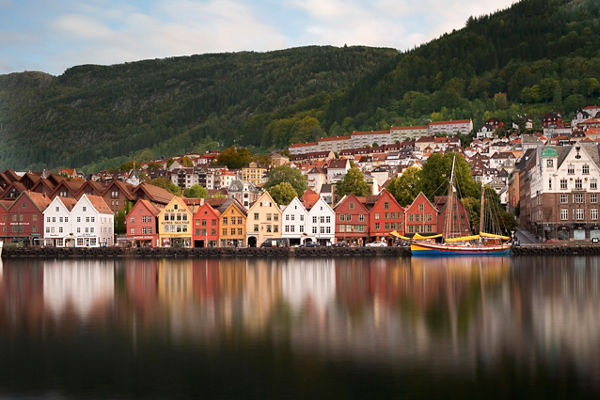
Colorful waterfront houses in Bergen, Norway
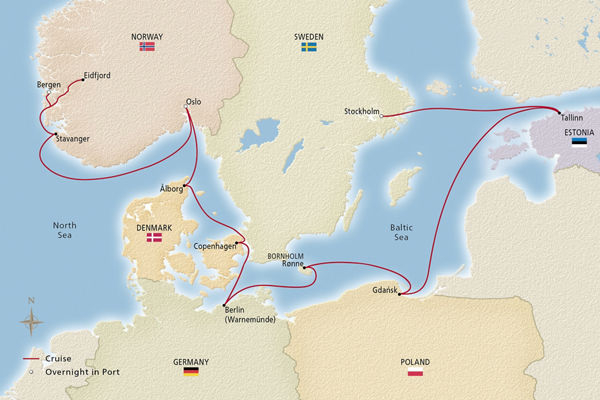
Hide map Show map

Viking Homelands

Stockholm to Bergen
LIMITED TIME OFFERS

15 days
6 countries
AU$14,995 from
  • Learn More
  • Request a Quote
Historic ships docked near Swedish museum
Hide map Show map

NEW! Scandinavian Discovery

Oslo to Stockholm
LIMITED TIME OFFERS

8 days
4 countries
AU$12,395 from
  • Learn More
  • Request a Quote
Historic Riga square with iconic architecture
Hide map Show map

NEW! Baltic Discovery

Stockholm to Copenhagen
LIMITED TIME OFFERS

8 days
6 countries
AU$11,995 from
  • Learn More
  • Request a Quote
Historic Tallinn skyline at sunset
Hide map Show map

NEW! Icons of the Viking Age

Bergen to Copenhagen
LIMITED TIME OFFERS

22 days
8 countries
AU$29,695 from
  • Learn More
  • Request a Quote
View Cruises

Sign up to receive updates from Viking

Stay current with special offers, news and destination-focused content.

SIGN UP
Call a Viking Expert, or see your Travel Agent
Call a Viking Expert, or see your Travel Agent 138 747
138 747
TAP TO CALL
Viking Cruises Viking

Footnote

*Prices are per person, in Australian dollars, based on double occupancy and correct at time of publication. Prices include all advertised discounts, and all offers are subject to availability and may be withdrawn at any time. All offers are only valid for new bookings and only on selected departures made from 05 August 2026 until sold out. Viking reserves the right to correct errors or omissions and to change any and all fares, fees and surcharges at any time. View the Passenger Ticket Contract for full booking terms and conditions. Itineraries are subject to change and may vary by departure date. Map depicts the standard itinerary offered.
  • Company Information

    • Contact Us
    • Speak with a Viking Agent
    • Order a Brochure
    • Special Offers
    • Travel Advisors
    • FAQ
    • Media Center
    • About Us
    • Investor Relations
    • Careers
    • Site Map
    • Legal
    • Privacy Policy
    • Cookie Policy
  • Viking River Cruises

    • Europe
    • Asia
    • Egypt
    • Mississippi
  • Viking Ocean Cruises

    • Scandinavia
    • British Isles & Ireland
    • North America
    • Caribbean & Central America
    • South America
    • Mediterranean
    • Quiet Season Mediterranean
    • Asia
    • Australia & New Zealand
    • World Cruises
    • Grand Journeys
  • Viking Expeditions

    • Antarctica
    • The Arctic
    • Great Lakes
    • North America
    • South America
    • Grand Journeys
    • Longitudinal World Cruises

© Viking Cruises, 2026. All Rights Reserved.

Footnote

*Prices are per person, in Australian dollars, based on double occupancy and correct at time of publication. Prices include all advertised discounts, and all offers are subject to availability and may be withdrawn at any time. All offers are only valid for new bookings and only on selected departures made from 05 August 2026 until sold out. Viking reserves the right to correct errors or omissions and to change any and all fares, fees and surcharges at any time. View the Passenger Ticket Contract for full booking terms and conditions. Itineraries are subject to change and may vary by departure date. Map depicts the standard itinerary offered.

Company Information

  • Contact Us
  • Speak with a Viking Agent
  • Order a Brochure
  • Special Offers
  • Travel Advisors
  • FAQ
  • Media Center
  • About Us
  • Investor Relations
  • Careers
  • Site Map
  • Legal
  • Privacy Policy
  • Cookie Policy

Viking River Cruises

  • Europe
  • Asia
  • Egypt
  • Mississippi

Viking Ocean Cruises

  • Scandinavia
  • British Isles & Ireland
  • North America
  • Caribbean & Central America
  • South America
  • Mediterranean
  • Quiet Season Mediterranean
  • Asia
  • Australia & New Zealand
  • World Cruises
  • Grand Journeys

Viking Expeditions

  • Antarctica
  • The Arctic
  • Great Lakes
  • North America
  • South America
  • Grand Journeys
  • Longitudinal World Cruises

Call a Viking Expert, or see your Travel Agent Call a Viking Expert, or see your Travel Agent 138 747 138 747 Viking Cruises Viking
© Viking Cruises, 2026. All Rights Reserved.

OCEAN OFFERS TERMS & CONDITIONS

APPLICABLE TO NEW BOOKINGS MADE FROM 05 AUGUST 2026 UNTIL SOLD OUT, ON SELECTED 2027, 2028 & 2029 SAILINGS ONLY.

“Flights on Us” - receive Economy flights booked through Viking up to the maximum value of AU$2,800pp.

  • “Flights on Us” offer provides Economy flights booked through Viking for both guests, up to the maximum value of AU$2,800 per person (pp).  Flights must originate in Australia (AU) or New Zealand (NZ) to be eligible for this offer.
  • Offer is only valid on new cruise bookings made from 5 August 2026 until sold out, where flights are booked through Viking, in conjunction with selected 2027, 2028 or 2029 Viking River, Ocean or Expedition cruises.
  • “Flights on Us” offer excludes the following itineraries: Australia & New Zealand, Komodo & the Australian Coast, Viking World Cruise, Viking World Discoveries, Viking World Voyage III, Viking World Voyage IV, Arctic to Antarctic Explorer, Longitudinal World Cruise IV, Longitudinal World Cruise VI and Longitudinal World Cruise VII.
  • Flights are booked at Viking’s discretion using Viking’s choice of airline, routing, dates and flight times, from selected major gateways in AU/NZ: DL/AKL/BNE/CBR/CHC/CNS/DRW/HBA/LST/MEL/OOL/PER/SYD/WLG.
  • Viking will contact guests, or their nominated travel advisor, once flights are in date range and able to be booked.  At this time, guests complete an Air Form and may nominate preferences for airline, dates, routing and stopovers.
  • Guests must return their completed Air Form within fourteen (14) business days of receiving the request from Viking. If the completed Air Form is not received within this timeframe, Viking may remove the “Flights on Us” offer and apply the relevant “Discount in Lieu of Flights” offer instead.
  • Viking will endeavour to accommodate guests’ preferences when proposing flights but may be unable to meet all requests due to airline specific rules and availability.
  • If the cost of the selected flights exceeds AU$2,800pp, guests must pay the difference before flights are ticketed and confirmed.
  • The AU$2,800pp value is a maximum promotional value only and does not guarantee that all eligible flights will cost AU$2,800pp or that guests will receive a cash payment, refund or credit for any unused value.
  • If selected flights cost less than AU$2,800pp, any unused promotional value will be forfeited and cannot be applied to another part of the booking or transferred to another person.
  • Guests who choose to book premium economy or business class flights through Viking may apply the AU$2,800pp Economy flight promotional value towards the upgraded airfare. Guests must pay any difference between the promotional value and the airline’s cost for the upgraded flights before flights are confirmed.
  • Any additional costs for the selected flights are required to be paid before flights will be ticketed and confirmed.
  • Once flights are ticketed and confirmed, any change or cancellation of the flights will be subject to the applicable airline’s standard change and cancellation fees.
  • Use promotion code FOU28 to apply the “Flights on Us” offer when booking online, through your preferred travel advisor or via the Viking Contact Centre.
  • If no promotion code is entered when booking online, the “Flights on Us” offer will be automatically applied by default.
  • Promotion is applied to all guests on the cruise booking.  Guests travelling together on the same cruise booking cannot apply different promotions to the booking.
  • Solo guests can use up to AU$5,600 towards their flights. Any unused portion of the air promotion will be waived and cannot be applied towards any other portion of the booking or transferred to any other person or booking.

“Discount in Lieu of Flights” — receive AU$2,800pp off the cruise fare when guests book flights independently.

  • Guests receive a discount of AU$2,800pp off the cruise fare in lieu of the “Flights on Us” Economy flight offer.
  • Offer is only valid on new cruise bookings, made from 5 August 2026 until sold out, on selected 2027, 2028 or 2029 Viking River, Ocean and Expedition cruises.
  • “Discount in Lieu of Flights” offer excludes the following itineraries: Australia & New Zealand, Komodo & the Australian Coast, Viking World Cruise, Viking World Discoveries, Viking World Voyage III, Viking World Voyage IV, Arctic to Antarctic Explorer, Longitudinal World Cruise IV, Longitudinal World Cruise VI and Longitudinal World Cruise VII.
  • Solo guests receive a discount of AU$5,600 per booking off the cruise fare in lieu of the “Flights on Us” Economy flight offer.
  • Guests are responsible for booking their own flights, independently of Viking.
  • Guests are not eligible to change to the “Flights on Us” Economy flight promotional offer once the promotion has ended or the applicable departure, category or offer allocation has sold out.
  • Use promotion code CCR28 to apply the “Discount in Lieu of Flights” offer when booking online, through your preferred travel advisor or via the Viking Contact Centre.
  • If no promotion code is entered when booking online, the “Flights on Us” offer will be automatically applied by default. Guests who prefer the “Discount in Lieu of Flights” offer must select that offer or enter the applicable promotion code at the time of booking.


RIVER, OCEAN AND EXPEDITION CRUISE ONLY OFFERS TERMS & CONDITIONS

APPLICABLE TO NEW BOOKINGS MADE FROM 05 AUGUST 2026 UNTIL SOLD OUT, ON ELIGIBLE 2026–2030 RIVER, OCEAN AND EXPEDITION CRUISE ONLY SAILINGS.

  • Cruise Only offers exclude the “Flights on Us” and “Discount in Lieu of Flights” offers listed above.
  • Cruise Only offers are available for new bookings made from 5 August 2026 until sold out on these eligible sailings:
  • River: any 2026 Viking River cruise, plus any 2030 departure of Oberammergau, Innsbruck & the Rhine, Oberammergau with Salzburg and Oberammergau, The Passion Play itineraries.
  • Ocean: selected 2026 Viking Ocean cruises, plus all 2026–2029 departures of the Australia & New Zealand and Komodo & the Australian Coast Viking Ocean cruise itineraries.
  • Expedition: selected 2026–2029 Viking Expedition cruise sailings.

Cruise Only offers do not apply to the following itineraries:

  • Ocean: all 2026–2029 departures of Viking World Cruise, Viking World Discoveries, Viking World Voyage III and Viking World Voyage IV.
  • Expedition: all 2026–2029 departures of Arctic to Antarctic Explorer, From the Arctic to Antarctica, Longitudinal World Cruise IV, Longitudinal World Cruise VI and Longitudinal World Cruise VII.
  • Cruise pricing on the Viking Australia website is the sale price, inclusive of the advertised savings. Strikeout pricing displayed indicates Viking’s original brochure pricing for the relevant departure and category. Savings are calculated against that original brochure pricing. Maximum savings are available on selected departures and categories only and may not be available on all dates, stateroom categories or itineraries.

Complete terms and conditions may be found in the Passenger Ticket Contract.


GENERAL TERMS & CONDITIONS APPLICABLE FOR BOOKINGS MADE FROM 05 AUGUST 2026 UNTIL SOLD OUT ON ALL ELIGIBLE RIVER, OCEAN AND EXPEDITION CRUISE SAILINGS (2026-2030).

  • These General Terms & Conditions apply to the River, Ocean and Expedition Cruise offers listed above, for eligible sailings between 2026 and 2030, unless otherwise stated in the specific offer terms.
  • Prices are per person, in Australian dollars, based on double occupancy and correct at time of publication.
  • Prices include all advertised discounts.
  • Offers are subject to availability on selected departures and categories. If an advertised departure, category or offer allocation sells out before the advertised end date, the offer may no longer be available for that departure or category.
  • Offers are only valid for new bookings made on selected departures from 5 August 2026 until the promotion has ended, unless the applicable departure, category or offer allocation sells out prior.
  • A deposit of AU$1,000pp is required within three (3) days of booking to secure a confirmed reservation. If a deposit is not received within this time frame the reservation may automatically cancel.
  • Once deposit payment has been made, Viking’s standard cancellation penalties apply.
  • Under Viking’s Flexible Deposit Policy, qualified guests may cancel before the final payment due date and receive their deposit back as a Future Cruise Voucher (FCV), less a cancellation fee of AU$100pp.
  • When booking airfares through Viking (including when taking advantage of a special offer that includes air travel), standard airline cancellation fees also apply.
  • Itineraries, inclusions, timings and routes are subject to change. Advertising images, maps and summaries are indicative only and may not show every port, route or timing detail. Guests should review the itinerary and inclusions for their selected departure on the Viking Australia website before booking and again before travel.

Flexible Deposit Policy from 01 April 2024 – Terms & Conditions.

  • Our Flexible Deposit Policy applies to new reservations made from 01 April 2024 and is combinable with all other Viking offers available.
  • Under our Flexible Deposit Policy, qualified guests can cancel their booking before the final payment due date and receive their deposit back in the form of a Future Cruise Voucher (FCV) less a cancellation fee of AU$100pp.
  • When booking airfares through Viking (including when taking advantage of a special offer that includes air travel), standard airline cancellation fees will also apply. In some cases, airfares will be non-refundable. In the event of cancellation of flights, the airline cancellation fees will be deducted from the deposit paid and, therefore, the FCV issued.
  • Guests will have 24 months from the date of issue of the FCV, to select their new date and make a new reservation on any Viking River, Ocean, or Expedition cruise.
  • The FCV has no cash value and is unable to be used as the deposit on a new booking. An additional cruise deposit will be required for the new booking, and the FCV will be applied as a ’Booking Discount’.
  • The FCV will be automatically applied at the time of booking and must be redeemed by the expiration date on the voucher. The FCV must be applied prior to final payment on the booking.
  • Once the FCV has been applied to a booking it is considered redeemed and cannot be re‐issued or used towards another cruise. Any unused balance on the FCV is lost and has no cash value.
  • Once issued, the FCV is non-transferable.
Open a modal and sign up to receive information about our best deals.